Focus on Complete Turn-key Production Line Solutions

Design And Research Of Fully Automatic Double-Box Front And Back Stacking Machine

In the modern production process of food, beer, beverage and other enterprises, the packaging, transportation and palletizing of boxes play an important role, providing core key technical services for the production, storage and logistics of products. The research and development of this project is based on market needs, and will carry out innovative research and development from the rotary conveying mechanism, lifting conveying mechanism, rotary clamping mechanism, heavy-duty mobile platform and control system to meet the palletizing and conveying needs of specific products.

1. Overall design plan

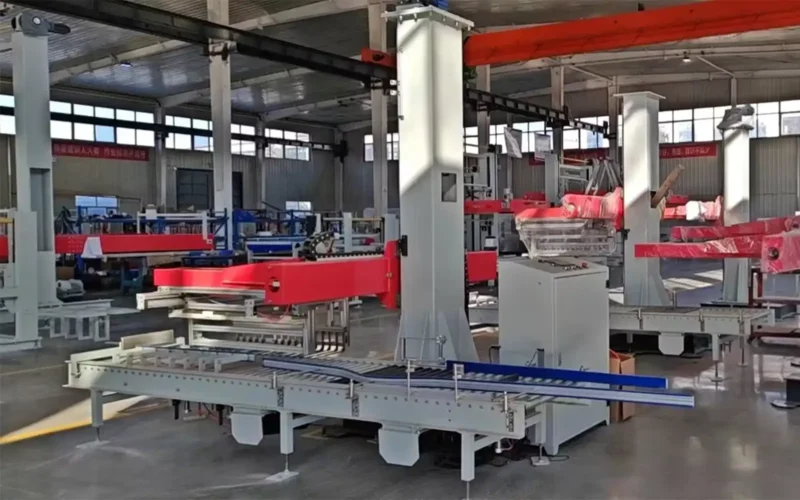
The fully automatic double-box front and back stacking palletizing machine uses the modular distributed mechanical design principle. Each level of the mechanism completes the partial process action. With the precision detection and control system, each box is independently detected, controlled and moved to complete all the actions of the front and back stacking palletizing, so that the box pallet group runs along the preset planning trajectory, while taking into account the removal or transfer of unqualified boxes to complete the prescribed process of box packaging palletizing.

2. Main process principle of the equipment

The main process principle of this equipment is intermittent sequential logic action. The process principle of this equipment can be adjusted according to the specific product size, shape and arrangement to make it more in line with actual production needs.

3. Equipment composition

The equipment mainly includes six parts: single-layer conveying, rotary conveying, lifting conveying, rotary clamping and other mechanisms, as well as heavy-duty mobile platforms and automatic control systems. When designing the equipment in general, it is necessary to comprehensively consider the structural selection and transmission matching, and then carry out the sub-structure design.

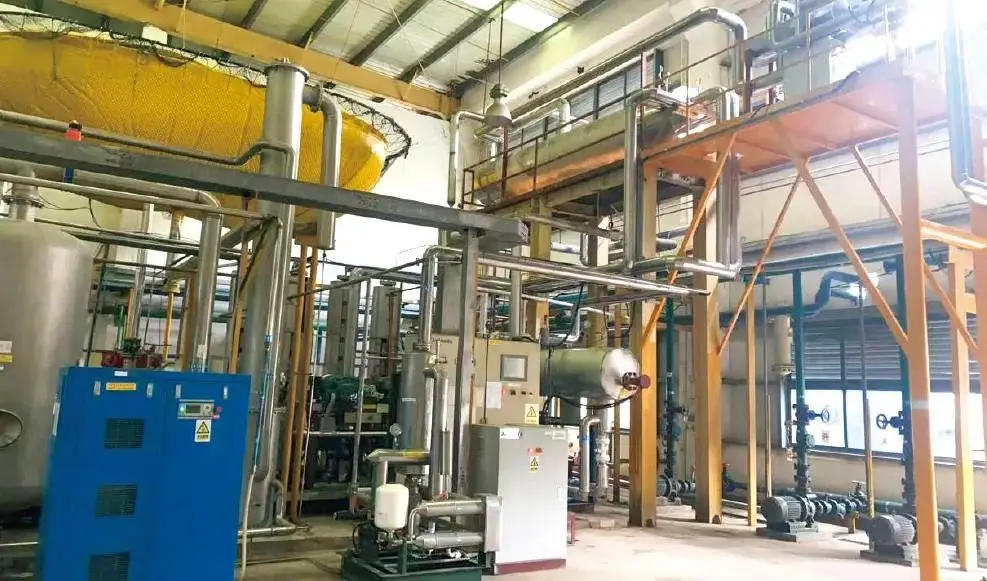
navan machine Water Lines Solution

4. Rotating conveying mechanism

The rotating conveying mechanism is mainly composed of equipment frame, drive motor, rotating platform, conveying motor, transmission spindle, sprocket roller, reducer, double-row chain, bearing seat, detection element, etc. The rotating conveying mechanism uses the mechanical principle of planetary gear rotation to integrate the rotating mechanism with the conveying mechanism.

navan machine PET bottle palletizer machine

5. Lifting conveying mechanism

The lifting conveying mechanism is mainly composed of equipment frame, power cylinder, scissor lift, conveying motor, transmission spindle, sprocket roller, reducer, double-row chain, bearing seat, detection element, etc. The lifting and lifting conveying mechanism uses the principle of multi-link synchronous structure, and the power end is a single set of adjustable power cylinders, which can realize the control of large-scale lifting and lowering, with high load factor, quick installation and simple maintenance.

navan machine Automatic Robot Palletizer

6. Rotary clamping mechanism

The rotary clamping mechanism is mainly composed of equipment base, transmission screw, lifting motor, rotating air disc, bidirectional cylinder, mechanical clamping, reducer, double-row chain, bearing seat, detection element, etc. The rotary clamping mechanism is equipped with pneumatic protection and optimization adjustment capabilities, which can not only ensure the protection of the box from falling during rotation, but also quickly switch the spacing according to the product size, so that the compatibility of the equipment is further enhanced.

navan machine Bottle Beverage packaging machine

7. Heavy-duty mobile platform

The heavy-duty mobile platform is mainly composed of equipment base, silent drag chain, active motor, planetary reduction, transmission rack, linear guide rail, reducer, double-row chain, bearing seat, detection element, etc. The heavy-duty mobile platform should be equipped with in-place protection and optimization adjustment capabilities, and can quickly edit time, speed, distance and other parameters according to product size, so that the compatibility of the equipment is further enhanced.

navan machine Palletizer

8. Automatic control system

The automatic control system adopts Profinet bus control mode, which can quickly, conveniently and safely exchange data. Compared with the previous control mode, it has greatly improved in real-time, flexibility, openness, extensibility, versatility and other aspects, reducing the management cost of the equipment.

9. Conclusion

The fully automatic double-box front and back stacking machine integrates multiple technologies of light industrial machinery automatic packaging, conveying, stacking, pneumatic, detection, control, etc. Drawing on the relevant technologies of traditional stacking machinery and equipment, the rotating conveying mechanism, lifting conveying mechanism, rotating clamping mechanism and heavy-load mobile platform are innovatively designed to solve the problem of double-box front and back stacking, improve the automation production efficiency, and improve the reliability of the carton stacking system.

(Cr. BREW&BEVERAGE TECHNOLOGY EQUIPMENT)

Flow Meter Filling Machine Empowers Customers To Achieve Enhanced Production Efficiency

In today’s fiercely competitive market environment, technological innovation and efficient production have become key factors for enterprises to maintain their competitive advantages. In order to meet the market demand for high-volume and high-precision products, our company’s technical team has successfully launched a new flow meter filling valve after long-term research and development, providing more production advantages for high-end customers.

This filling valve works perfectly with the flow meter to achieve the goal of high-precision control of flow and filling capacity. Through precise technology and high-quality manufacturing processes, combined with a rotary labeling machine, it meets customers’ needs for high energy-saving production.

The advantages of the flow meter filling machine mainly include the following aspects:

1.Efficient and accurate filling control: The flow meter filling machine adopts an advanced flow control device, which can accurately control the filling amount of the liquid, avoid errors that may occur in manual filling, and ensure product quality and consistency. In addition, the accuracy of the flow meter filling machine can be directly set through the touch screen, and optimized through the automatic temperature compensation system to ensure the accuracy of filling.

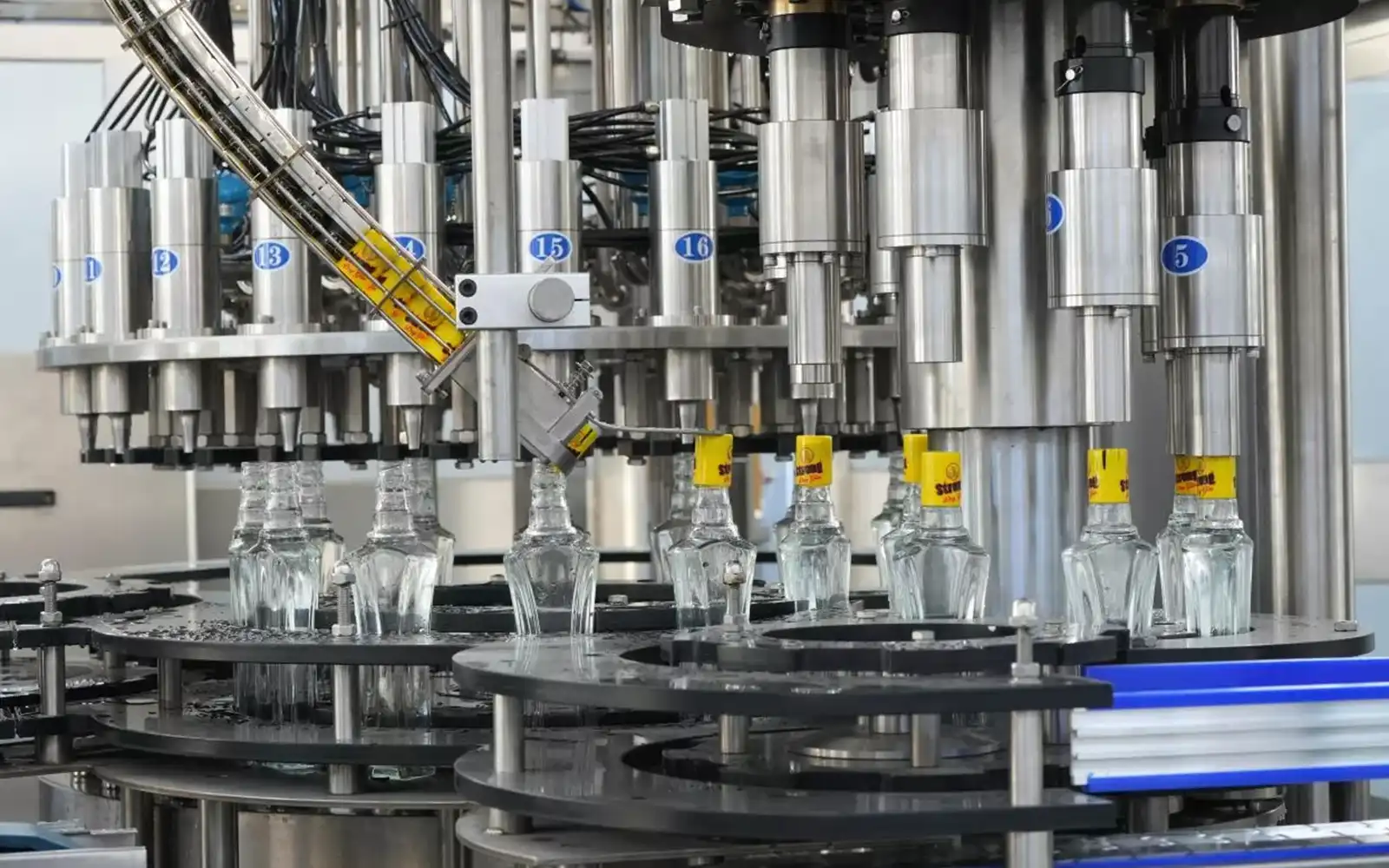
navan machine alcohol bottling equipment

2.Flexible dosage adjustment: The flow meter filling machine can directly set the filling measurement through the touch screen, and adjust the dosage conveniently and quickly. This design allows high filling accuracy to be maintained at different temperatures and adapt to different environmental conditions.

‌3.High efficiency and fast response: The flowmeter filling machine is equipped with high-speed filling technology and fast-response sensors, which can complete large-volume liquid filling operations in a short time and significantly improve production efficiency.

Its dual-speed filling function (fast first and then slow) can effectively prevent material overflow, further improving work efficiency.

navan machine glass bottle filling machine

‌4.Versatility and wide range of applications: The flowmeter filling machine is suitable for a variety of liquid products, such as edible oil, blending oil, juice, wine, etc., and is widely used in food, daily chemicals, lubricants, condiments and other industries. Its versatility allows it to be flexibly adjusted under different production needs to meet diverse filling needs.

navan machine Flow meter filling machine

‌5.Stability and reliability: The flowmeter filling machine adopts advanced electrical control systems and high-quality materials (such as 316L stainless steel) to ensure the stability and reliability of the equipment. Its easy operation and user-friendly design allow operators to quickly get started and perform efficient filling operations.

How Beer Filling Machines Play A Crucial Role In The Beer Production

Beer is one of the oldest and most widely consumed alcoholic beverages in the world. It is typically made from barley, hops, water, and yeast, and is fermented to produce alcohol. There are many different styles and flavors of beer, ranging from light and refreshing lagers to rich and complex stouts.

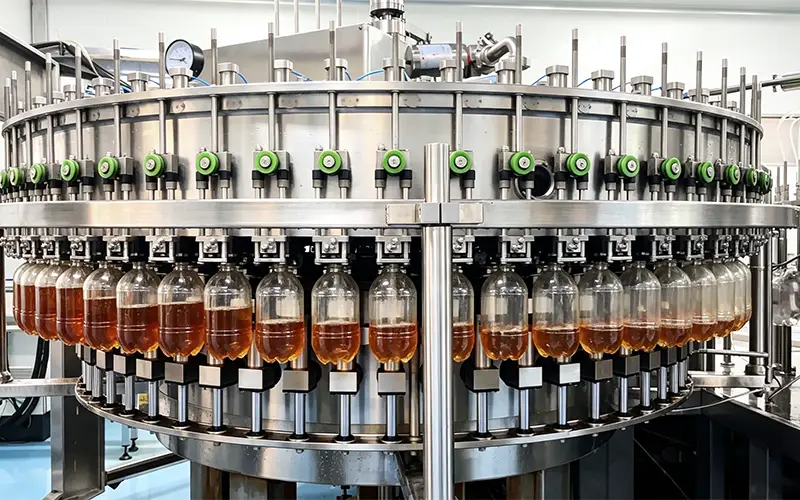
navan machine bottle beer filling equipment

Beer filling machines are essential equipment in the beer production process. These machines are designed to efficiently and accurately fill beer into bottles, ensuring that the product is properly sealed and ready for distribution.

Beer filling machines come in various sizes and capacities to accommodate different production needs. They are typically made of stainless steel to ensure hygiene and durability. The machines are equipped with advanced technology to control the filling process, ensuring that each bottle  is filled with the correct amount of beer.

navan machine glass bottle filling machine

The beer filling process begins with the bottles being loaded onto the machine. The machine then fills each container with beer, while also ensuring that the product is properly carbonated and sealed. Once filled, the bottles are labeled and packaged for distribution.

Beer filling machines are essential for breweries of all sizes, from small craft breweries to large-scale production facilities. These machines not only streamline the production process but also help maintain the quality and consistency of the beer being produced.

In conclusion, beer filling machines play a crucial role in the beer production process. They ensure that beer is efficiently and accurately filled into bottles or cans, ready for distribution to consumers. With their advanced technology and precision control, beer filling machines are a valuable asset to any brewery.

Key Considerations for a Carbonated Drink Filling Packing Line

When it comes to packaging carbonated drinks, there are several key considerations that need to be taken into account. In order to ensure an efficient filling process, factors such as speed, accuracy, and reliability must be carefully considered. Additionally, packaging considerations specific to carbonated drinks, such as preventing leaks and maintaining carbonation levels, are essential for delivering a quality product to consumers. Furthermore, quality control and safety measures play a crucial role in ensuring that the final product meets the highest standards and is safe for consumption. In this article, we will explore these key considerations in detail, providing valuable insights for those involved in the carbonated drink filling and packaging industry. Whether you are a manufacturer, distributor, or retailer, understanding and implementing these considerations will help you optimize your filling and packaging line, ultimately leading to increased customer satisfaction and business success.

Factors to Consider for Efficient Filling


Efficient filling is a crucial aspect of any manufacturing process, especially when it comes to carbonated drink packaging. The carbonated drink filling packing line plays a significant role in ensuring that the beverages are filled accurately and efficiently. There are several factors that manufacturers need to consider in order to achieve optimum efficiency in their filling operations.

Firstly, it is important to choose the right filling equipment for the carbonated drink packaging line. The equipment should be capable of handling the specific requirements of carbonated beverages, such as the pressure and temperature control. Additionally, the equipment should be able to accurately measure and control the amount of liquid being filled into each container. This ensures that the carbonated drinks are filled to the desired level, avoiding any under or overfilling issues.

Another factor to consider is the quality of the packaging materials used. The containers should be sturdy enough to withstand the pressure of the carbonated drink, preventing any leaks or breakages during the filling process. The packaging materials should also be compatible with the carbonated beverage, ensuring that there are no reactions or alterations in taste.

Maintaining cleanliness and hygiene is crucial in efficient filling. Any contamination in the filling process can compromise the quality and safety of the carbonated drinks. Regular cleaning and sanitization of the filling equipment, as well as the surrounding areas, is essential to prevent any cross-contamination. This not only ensures the quality of the beverages but also extends the lifespan of the equipment.

Proper maintenance and regular calibration of the filling equipment are also important factors to consider. This helps in identifying and rectifying any issues or malfunctions in the equipment, ensuring smooth and efficient operations. Regular maintenance also helps in preventing any unexpected breakdowns, reducing downtime and increasing the overall productivity of the carbonated drink filling packing line.

Packaging Considerations for Carbonated Drinks


When it comes to packaging carbonated drinks, there are several important considerations that need to be taken into account. The packaging not only serves as a means to protect the product but also plays a crucial role in preserving its quality and ensuring customer satisfaction.

One of the key aspects to consider is the carbonated drink filling packing line. This is the process through which the beverage is filled into containers, such as bottles or cans, and sealed for distribution. The packaging line needs to be designed in a way that minimizes the exposure of the drink to air, as this can affect the carbonation levels and overall taste of the beverage. It is essential to ensure that the filling process is efficient and accurate, as any inconsistencies in carbonation levels can lead to dissatisfied customers.

Another important consideration is the choice of packaging materials. Carbonated drinks can exert significant pressure on the packaging, especially during transportation and storage. Therefore, it is crucial to select materials that are strong and durable enough to withstand this pressure. Common packaging options for carbonated drinks include glass bottles, aluminum cans, and plastic bottles. Each material has its own advantages and disadvantages, and the choice should be made based on factors such as cost, environmental impact, and customer preferences.

Additionally, the design of the packaging plays a crucial role in attracting consumers and effectively communicating the brand’s message. The packaging should be visually appealing, with an eye-catching design that stands out on store shelves. It should also provide clear information about the product, such as the brand name, ingredients, nutritional information, and any special features or benefits. An effective packaging design can help differentiate the product from competitors and create a positive impression on consumers.

Quality Control and Safety Measures


Quality control and safety measures are paramount when it comes to the production and packaging of carbonated drinks. With the increasing demand for these beverages, it is crucial for manufacturers to ensure that every step of the process is executed with precision and attention to detail.

One of the key areas that require stringent quality control is the carbonated drink filling packing line. This is where the beverage is filled into bottles or cans and sealed to maintain its carbonation. To guarantee the highest level of quality, manufacturers employ various measures to minimize the risk of contamination and defects.

First and foremost, regular equipment maintenance and cleaning are essential. The filling and packing machines need to be thoroughly sanitized after every production run to prevent cross-contamination and ensure the integrity of the product. This includes cleaning the pipes, valves, and contact surfaces with approved cleaning agents that eliminate any potential bacteria or foreign particles.

In addition to routine cleaning, manufacturers also implement quality control checks throughout the production process. These checks involve inspecting the bottles or cans for any abnormalities, such as cracks or dents, that could compromise the product’s safety. Additionally, automated systems are utilized to check the carbonation levels and ensure consistency across the entire production line.

Another crucial aspect of quality control is the monitoring of the filling process itself. This involves measuring the volume of the carbonated drink being filled into each container to ensure accuracy and prevent under or overfilling. Any deviation from the specified volume can lead to customer dissatisfaction and affect the overall quality perception of the product.

To further enhance safety measures, manufacturers implement rigorous testing procedures. Samples from each production batch are collected and analyzed to detect any potential contaminants or deviations from the desired taste profile. This ensures that only products meeting the highest standards are released into the market.

Conclusion


Efficient filling is crucial for the success of carbonated drink packaging lines. Factors such as the right equipment, quality packaging materials, cleanliness, and maintenance contribute to optimized filling operations. Packaging considerations for carbonated drinks are essential to ensure product quality, maintain carbonation levels, and attract consumers. The choice of packaging materials should prioritize strength and durability, while appealing packaging design can create brand recognition and convey important product information. Robust quality control and safety measures are necessary for the production and packaging of carbonated drinks. Strict maintenance protocols, regular inspections, and comprehensive testing procedures guarantee the delivery of a high-quality product. The carbonated drink filling packing line plays a pivotal role, and its efficiency and effectiveness should be prioritized. These measures ensure that consumers can enjoy their favorite carbonated beverages with confidence, knowing that every sip is safe and of the highest quality.